Automotive Gas Oil (AGO)

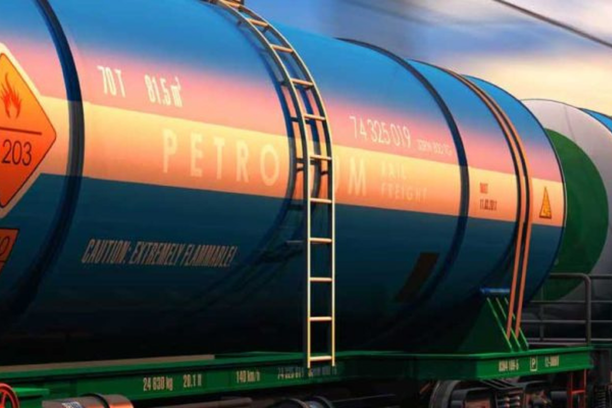
Automotive Gas Oil (AGO) is a middle distillate refined from crude oil, primarily used in diesel engines of light to heavy-duty vehicles. AGO offers superior ignition quality and thermal stability, making it ideal for use in both on-road and off-road applications such as agriculture, mining, and construction. Its low sulfur variants are aligned with global emission standards and reduce engine wear while enhancing fuel economy. As a staple energy product in the transportation and industrial sectors, AGO supports logistics, mobility, and economic activities worldwide. High demand from regions like Africa, Asia, and Latin America makes AGO a key commodity in the international petroleum trade.

Crude Oil

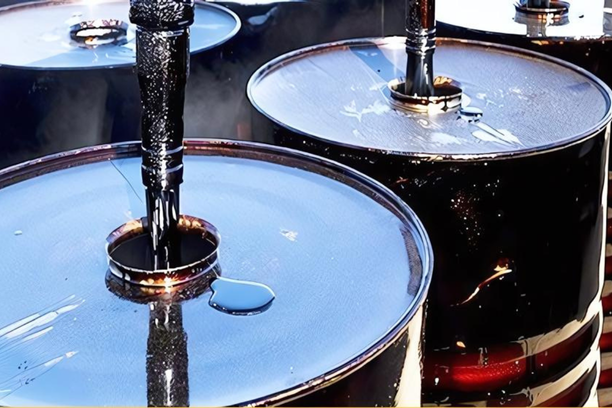
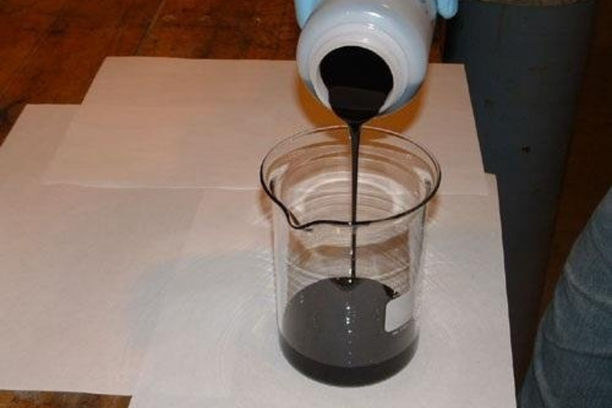
Crude oil is the unrefined, naturally occurring petroleum product extracted from underground reservoirs. Composed of hydrocarbons and other organic materials, crude oil is the lifeblood of the modern industrial economy. It serves as the primary feedstock for a wide range of refined products including gasoline, diesel, jet fuel, lubricants, and petrochemical derivatives. Crude oil is classified by its density (light to heavy) and sulfur content (sweet to sour), which influence its market value and refining complexity. As a globally traded commodity, crude oil impacts economic policies, energy security, and geopolitical strategies. Its continuous demand across industrial, transportation, and energy sectors makes it an indispensable resource in global trade

Diammonium Phosphate (DAP)

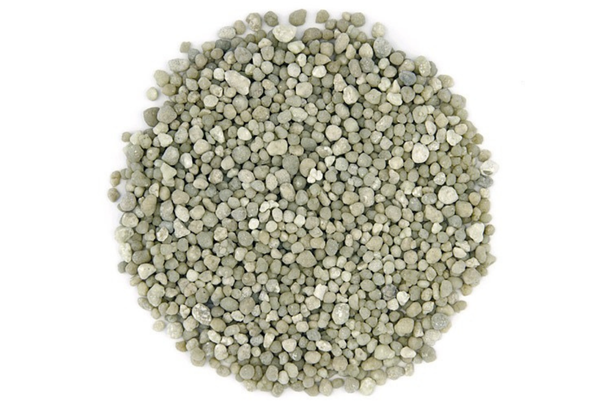
Diammonium Phosphate (DAP) is a highly effective phosphate fertilizer composed of 18% nitrogen and 46% phosphorus pentoxide (P₂O₅). It is widely used in global agriculture due to its high nutrient content and excellent solubility, which facilitates quick absorption by crops. DAP promotes strong root development, early plant growth, and improved crop yields, making it essential in the cultivation of cereals, vegetables, and fruit crops. It is especially popular in regions with phosphate-deficient soils. The product is granular, free-flowing, and compatible with most soil types. As a cost-effective, high-performance fertilizer, DAP continues to play a crucial role in food security and sustainable agricultural development worldwide.

Diesel fuel

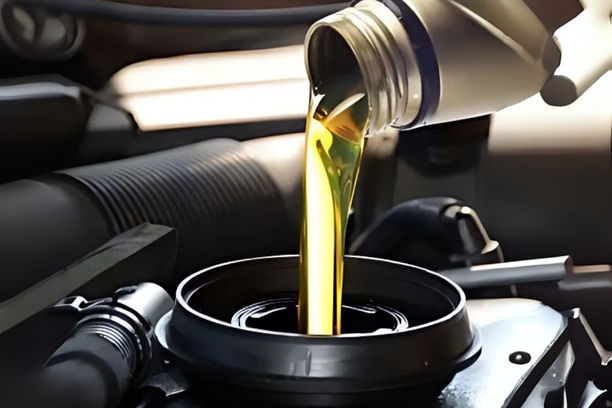
Diesel fuel is a refined petroleum product used in compression-ignition engines, commonly found in trucks, buses, ships, trains, and industrial equipment. It is favored for its fuel efficiency, torque delivery, and energy density. Diesel is available in various grades including ultra-low sulfur diesel (ULSD), which is widely used to meet environmental regulations. The fuel is known for its longer shelf life, higher thermal efficiency, and cost-effectiveness over long distances. Diesel plays a crucial role in global logistics and public transport systems. With advancements in engine technology and alternative diesel blends, it continues to support the world’s growing need for reliable and efficient transportation fuels.

EN590

EN590 is a standardized form of diesel fuel commonly used in Europe and around the world, designed to meet stringent environmental and performance specifications. It contains ultra-low sulfur content—usually less than 10 ppm—making it compliant with Euro 6 emission standards and suitable for modern diesel engines. EN590 diesel ensures reduced engine wear, improved fuel combustion, and minimized carbon emissions. It is a preferred fuel type in international markets due to its cleaner-burning properties and compatibility with advanced engine technologies. This fuel is widely demanded by refineries, governments, and transport sectors seeking sustainable energy solutions. Whether used in heavy-duty vehicles, generators, or marine applications, EN590 remains a reliable and environmentally responsible choice for diesel fuel.

Eastern Siberia Pacific Ocean (ESPO) Crude Oil

The Eastern Siberia Pacific Ocean (ESPO) crude oil is a high-quality, medium-light sweet crude sourced from Eastern Siberia and transported via the ESPO pipeline to ports in Russia’s Far East. With low sulfur content and excellent refining yields, ESPO is particularly attractive to Asian markets including China, Japan, and South Korea. It offers high distillate output and is suitable for producing diesel and jet fuel. Its strategic routing allows for faster shipping times and lower transportation costs compared to Middle Eastern alternatives. As demand for cleaner, efficient crude grows in Asia-Pacific, ESPO has emerged as a preferred choice among refineries seeking a balanced profile of quality and logistics advantage.

Gasoline (Petrol)

Gasoline, also known as petrol, is a highly refined, volatile petroleum product primarily used as fuel in internal combustion engines of vehicles. It is composed of a blend of hydrocarbons and enriched with additives to enhance engine performance, reduce emissions, and prevent knocking. Gasoline is available in multiple octane ratings to suit different engine requirements. It remains the dominant transport fuel in most parts of the world, especially in passenger vehicles. The product is continuously refined to meet evolving environmental regulations and performance standards. With consistent demand from the automotive sector and expanding road networks in emerging economies, gasoline continues to be a vital energy product in the global fuel landscape.

Jet A1 Aviation Fuel

Jet A1 is a kerosene-based aviation fuel primarily used in commercial and cargo jet engines worldwide. Renowned for its high flash point and low freezing point (-47°C), Jet A1 ensures optimal safety and performance at high altitudes and under extreme temperature variations. This aviation-grade fuel meets the stringent international specifications set by ASTM D1655 and DEF STAN 91-91. Jet A1 is essential for the efficient operation of turbines in both civil and military aviation sectors, offering excellent combustion efficiency and clean burn characteristics. With consistent demand from airlines, airports, and military aviation authorities, Jet A1 is a cornerstone in the global aviation fuel supply chain, facilitating international connectivity and cargo transport.

Light Cycle Oil (LCO)

Light Cycle Oil (LCO) is a refined petroleum product obtained as a by-product during the fluid catalytic cracking process in oil refineries. It is characterized by a high cetane number and good combustion properties, making it ideal as a blending component for diesel fuel. LCO is primarily used in industrial boilers, furnaces, and diesel blending applications due to its favorable energy content and fluidity. In emerging economies and industrial zones, it serves as a cost-effective alternative to diesel in power generation and manufacturing. With increasing demand in Asia, the Middle East, and Africa, LCO continues to be a vital intermediate in both fuel and petrochemical sectors, offering economic and operational advantages.

Liquefied Natural Gas (LNG)

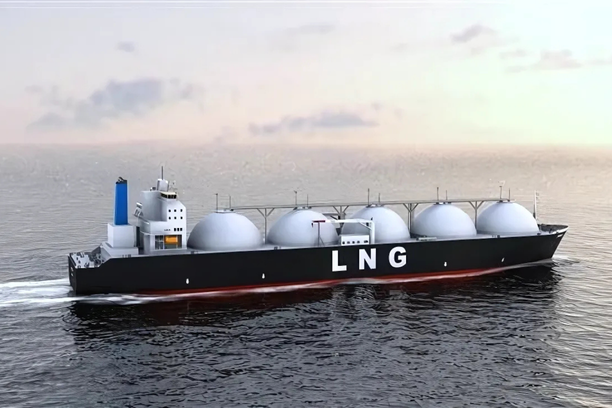
LNG (Liquefied Natural Gas) is natural gas cooled to approximately -162°C, transforming it into a liquid state for easier storage and transport. This cryogenic fuel is composed mainly of methane and is renowned for being a cleaner alternative to traditional fossil fuels. With reduced emissions of sulfur dioxide, carbon dioxide, and particulates, LNG is increasingly adopted by industries, shipping lines, and power generation facilities worldwide. It offers high energy density and economic transportation, especially over long distances to regions lacking pipeline infrastructure. As global energy markets move toward sustainability, LNG plays a pivotal role in bridging the gap between current energy demands and a cleaner, low-carbon future.

Liquefied Petroleum Gas (LPG)

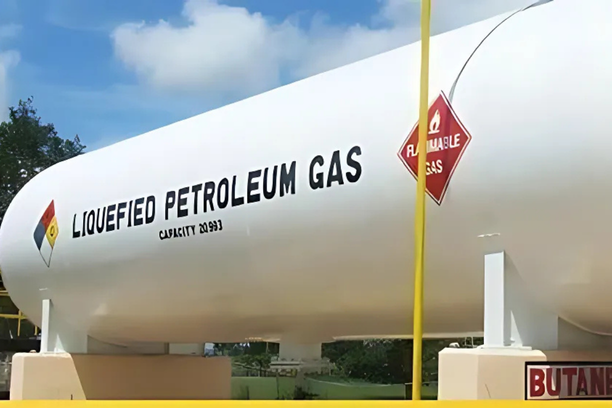
Liquefied Petroleum Gas (LPG) is a versatile, highly flammable hydrocarbon gas mixture primarily composed of propane and butane. It is liquefied through pressurization, making it easy to transport and store. LPG is used globally across residential, commercial, industrial, and agricultural sectors. Common applications include heating, cooking, fueling vehicles (autogas), and powering equipment in remote areas. Its clean-burning nature, affordability, and portability make it an efficient energy source for off-grid and urban settings alike. With increasing focus on low-emission energy sources, LPG continues to gain market share as an alternative to coal and oil, especially in regions aiming to reduce carbon footprints while maintaining energy reliability.

Petroleum Coke (Pet Coke)

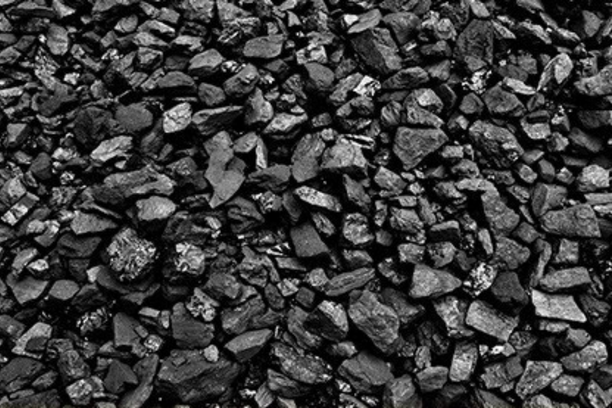
Petroleum Coke, or Pet Coke, is a carbon-rich solid material derived from oil refining processes, especially from the coking units. It is classified into two types: fuel-grade and anode-grade. Fuel-grade pet coke is primarily used in cement kilns, power generation, and industrial boilers due to its high calorific value. Anode-grade coke, with lower sulfur content, is crucial in the aluminum and steel industries. Pet coke serves as an efficient and economical alternative to coal, particularly in regions with high energy demands. Despite environmental concerns, its usage persists due to cost advantages and energy density. Global demand is driven by industrialization in emerging markets and infrastructure growth.

Russian Export Blend Crude Oil (REBCO)

Russian Export Blend Crude Oil (REBCO) is a key benchmark crude grade predominantly exported from Russia to international markets via major pipelines and sea routes. Known for its medium gravity and relatively high sulfur content, REBCO is favored by many refineries for its compatibility with complex refining processes. It is widely traded under long-term contracts and spot market deals, particularly in Europe and Asia. REBCO's steady supply and strategic availability make it a vital feedstock for producing diesel, gasoline, jet fuel, and other refined petroleum products. Despite shifting geopolitical dynamics, REBCO remains a critical element in the global crude oil supply chain due to its robust infrastructure and consistent volume.

Urea (Carbamide)

Urea, also known as carbamide, is one of the most widely used nitrogen-based fertilizers in the world, with a nitrogen content of 46%. Produced synthetically from ammonia and carbon dioxide, it is highly soluble and suitable for a variety of crops and soil types. Urea improves plant growth by enhancing chlorophyll production and protein synthesis. It can be applied directly to soil or used in foliar feeding and fertigation systems. Additionally, urea finds applications in the chemical and automotive industries, especially in diesel exhaust fluid (DEF) under the brand AdBlue. Its affordability, effectiveness, and versatility make urea a cornerstone in modern agriculture and industrial processes.

Virgin Fuel Oil D6

Virgin Fuel Oil D6, often referred to as bunker fuel, is a heavy residual oil used primarily in large ships and power plants. Unlike recycled or waste oils, Virgin D6 is unblended and sourced directly from crude refining. It has high viscosity and requires pre-heating before use, but offers exceptional energy content, making it suitable for long-haul marine engines and industrial furnaces. D6 is typically not suitable for use in small engines due to its heavy nature and sulfur content. With growing environmental regulations, the demand for low-sulfur variants has risen. Nonetheless, Virgin D6 remains an economically viable energy source in heavy industries and global maritime shipping.